OIKONOMIA RESOURCES
A haul truck on a mine road below rocky hills
Investors

Three ways into a South African mine.

Greenfield projects that need capital. Producing mines open to acquisition or joint venture. Assets under financial distress. Different risk, different horizon, and we are straight about which is which.

The opportunity

The resource is not the scarce part.

South Africa holds the majority of the world’s chrome and platinum group metal reserves, and more than a century of gold and diamond ground.

What is scarce is the operator who can tell you which specific asset is worth your capital, show you why, and get you through the process without a year of dead ends. Access, not geology, is the bottleneck.

We work the ground directly. The opportunities we put in front of you come from owners we have sat across from, with the licence position checked before you are asked to look at anything.

The routes

Pick the risk you are actually built for.

01

Greenfield projects

Ground with a resource and no capital behind it

Early stage projects that hold a defined resource but need funding to reach production. The upside is the largest of the three routes and so is the time to first revenue. These are for investors who understand that a mine is built before it pays.

Suits: Patient capital with a development horizon
02

Operational mines

Producing assets open to buy-out or joint venture

Mines already in production where the owner is open to an outright sale or to bringing a partner in. Revenue exists on day one, the operating history can be examined, and the risk sits in the operation rather than in whether there is one.

Suits: Acquirers and joint venture partners

03

Distressed and liquidation

Assets under financial pressure or in liquidation

Mines in business rescue, under financial distress, or being disposed of through liquidation. Entry is at the lowest point on the curve and the timelines are short, which means the work is in moving decisively and knowing what you are buying.

Suits: Opportunistic capital that can move quickly

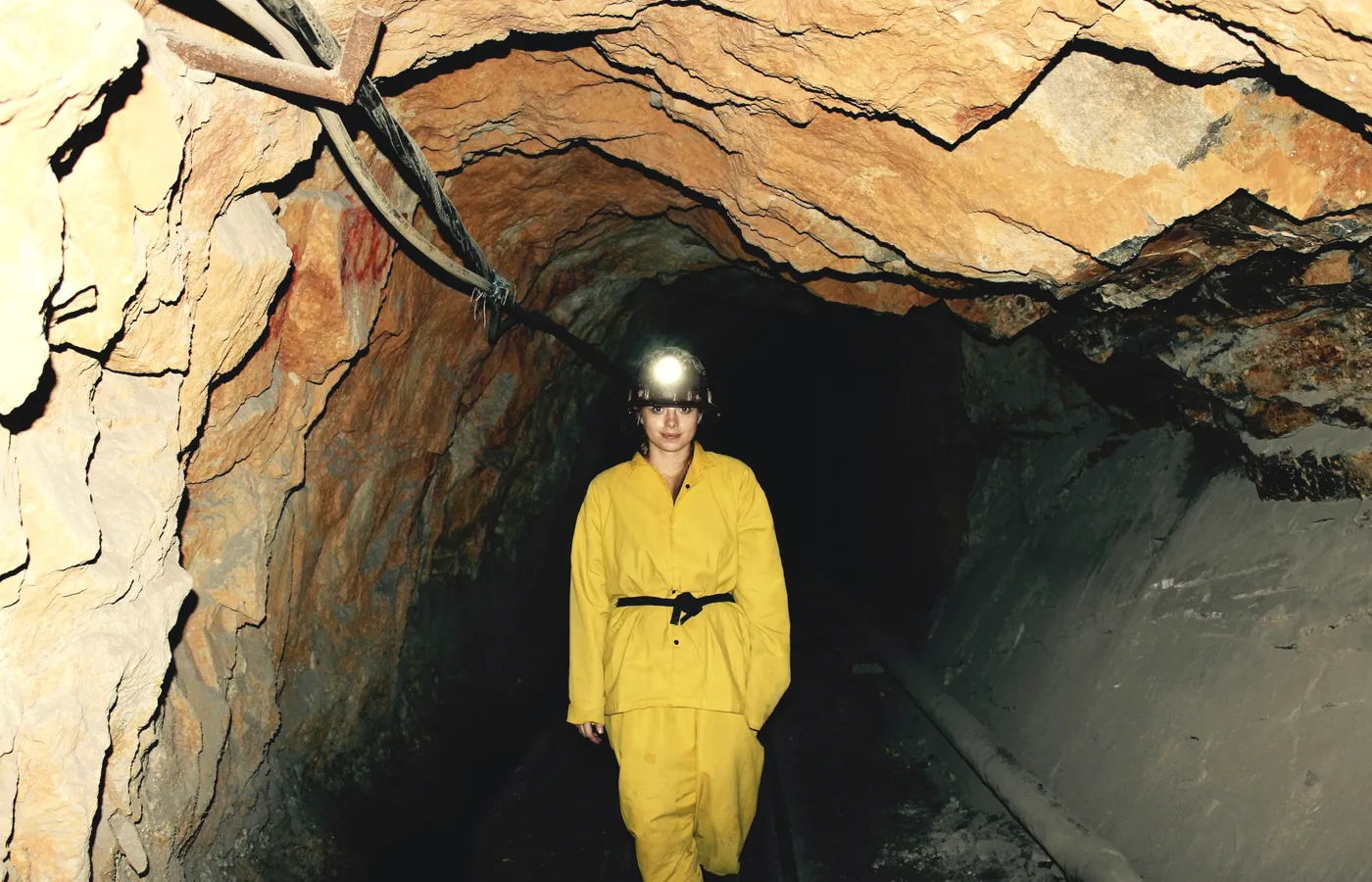
A person walking a working underground face

No documents are sent blind. We establish fit first.

Structures

How the transaction is actually put together.

Which shape fits depends less on the asset than on how much of the running of it you want to be responsible for.

01

Direct sale

An agreed price and the asset changes hands. Development responsibility transfers with it, which is the point: you take the ground and you run it your way.

SuitsBuyers who want control and have the team to use it

02

Acquire and develop

Full ownership, and the long-term production and resource upside that comes with it. It also carries the operational responsibility, which is the part most buyers underestimate.

SuitsOperators, and capital with an operating partner behind it

03

Joint venture or partnership

Capital, expertise and risk shared between an investor, an operator and, where the ground demands it, the community around it. Nobody carries the whole thing alone.

SuitsInvestors who want the asset without running it

04

Introduction and referral

For someone bringing the counterparty rather than the capital: an investor to an asset, or an asset to our book. Paid on conclusion, with our position agreed in writing before anything confidential moves.

SuitsAdvisers, agents and anyone holding the relationship

Value creation

What you do with it once you hold it.

An asset is worth what the next operator can do with it. These are the six levers, and most assets have more than one of them open.

Recommission

Bring an established asset back to efficient production. The plant exists and the resource is known, so the work is restarting it properly rather than proving it.

Expand

Lift throughput, utilisation and output on an operation already running below what the ground and the plant can carry.

Grow the resource

Turn exploration potential into a defined, mineable resource through drilling and definition work. Value added on paper before a tonne is moved.

Beneficiate

Improve recovery, product quality and where in the chain the value is captured. It is the difference between selling ore and selling a product.

Fix the logistics

Optimise the road, rail, port and offtake pathway. On a bulk commodity the route to market is part of the asset, not an afterthought.

Bring the right capital

Match the asset to the partner, the offtaker or the specialist capital it actually needs. Not every mine needs the same money.

The process

How an enquiry becomes a transaction.

Two conversations before anything binding, and site access in the middle of them.

  1. 01

    An introductory conversation

    What you are looking for, what you can deploy, and over what horizon. No documents change hands yet.

  2. 02

    Matched to a live mandate

    We put the two or three opportunities in front of you that actually fit, rather than a catalogue that does not.

  3. 03

    Due diligence, with the doors open

    Technical reports, licences, financials and site access. We would rather you find the problem than be told about it.

  4. 04

    Structure and conclude

    Equity, acquisition, joint venture or debt, structured around the asset and both parties, and taken through to signature.

Investor enquiry

Tell us what you are looking for.

The more of this you fill in, the faster we can put something real in front of you. Everything here is treated as confidential.

You will hear from a person, usually within one business day, and usually the person who will handle the transaction.

A no is a real answer. If we do not have something that fits what you are looking for, we will say so rather than send you a catalogue.

Treated as confidential and used only to respond to this enquiry. Submitting this form does not create any obligation on either side.

Or open a WhatsApp conversation
Questions

What investors ask us first.

What is the minimum investment you work with?

It depends entirely on the route. A stake in a producing operation and the funding of a greenfield project sit at very different levels. Tell us the range you are working in and we will tell you honestly whether we have something that fits.

Are these opportunities open to foreign investors?

Yes. South African mining assets are open to foreign ownership, subject to the requirements of the Mineral and Petroleum Resources Development Act and the relevant empowerment provisions. We deal with that structuring as part of the process.

Do you sell shares or securities to the public?

No. Nothing on this site is an offer to the public. We introduce qualified investors to specific mining assets and structure the transaction directly between the parties.

How do you verify an opportunity before presenting it?

We confirm the mining right or permit, the licences, the resource work that has been done and the state of the operation itself before an asset is put in front of an investor. Where something has not been verified, we say so rather than leave it implied.

Can I visit the operation?

Yes, and we encourage it. Site access is part of due diligence, not a favour. A serious investor should stand on the ground before committing to it.

What do you charge?

Our position on a transaction is agreed up front and in writing before any confidential information changes hands, so there are no surprises at conclusion.

The information on this website is provided for general information and discussion purposes only. It does not constitute an offer to the public, an invitation to invest, or financial, legal or investment advice. Any investment in a mining asset carries risk, including the risk of total loss of capital. Prospective investors should obtain their own independent advice and conduct their own due diligence before committing to any transaction.